

By Cynthia Germain
Last fall, I reflected on the grief that can come with caregiving. It’s not the kind people see from the outside, but it’s one many caregivers quietly carry as they help someone through changes in their health, their outlook, their life.
Of course, grief in all its forms is something every one of us will experience throughout a lifetime. The grief that caregivers know isn’t better or worse, or more or less. It’s simply shaped by proximity. It’s a particular kind of witnessing of the person’s life inside their days…their humor, their frustrations, their bravery, their stubbornness. You witness the body change and the mind adapt. You witness what matters to them when energy is limited and choices must be prioritized. It’s intimate, and it builds so gradually that you don’t always see it while it’s happening.
And then the doing stops. And for some, there then comes the doing of the estate…it’s a busy time. But along the way, there is stillness. And often this leads to time to reflect. One point of contemplation for me in this process has been my mortality. Not in a morbid way, but in a clarifying one. Caregivers learn that dying is not a moment; it is a process. It is made up of decisions, priorities, conversations, reconciliations, and small acts of love. You learn what matters in the end because you’ve seen what falls away and what remains. And it leaves questions in its wake:
What will my aging and dying be like? What will matter to me? Who will be there? How do I want to spend the time I have?
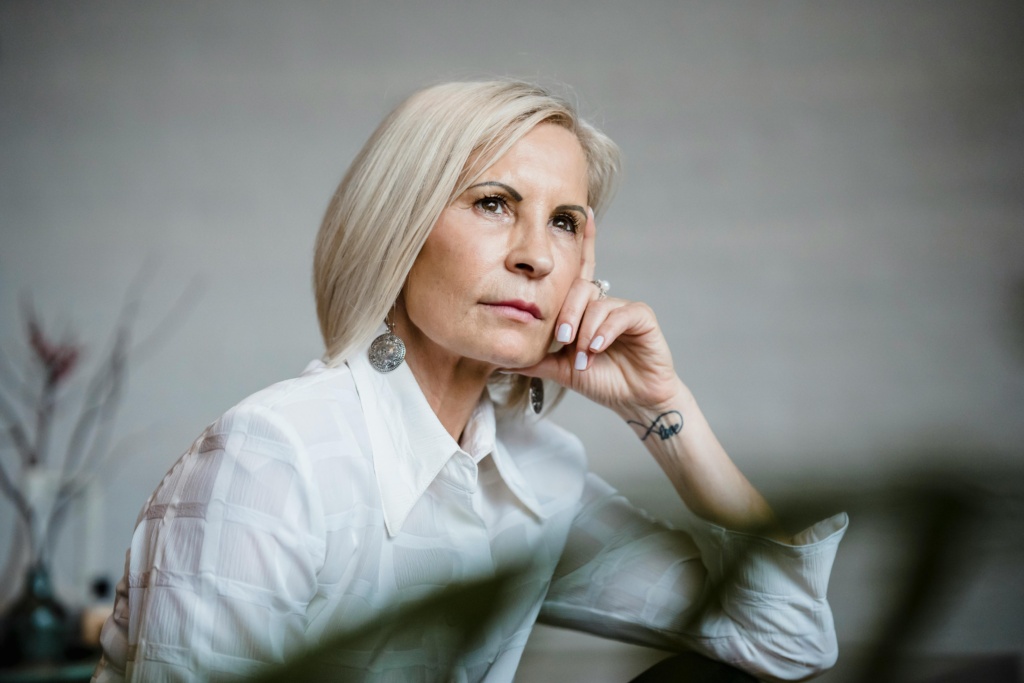
These are not easy questions, nor are they meant to be answered quickly. They are meant to simmer. Part of the post-caregiving journey is giving yourself the space to notice what caregiving stirred awake in you. And reflection isn’t just indulgent, it can be practical. Many caregivers begin to think about their own advanced directives, their housing preferences as they age, the kind of support they may want someday, and what a “good” end-of-life looks like.
Support matters here. For caregivers in Door County, the Aging & Disability Resource Center (ADRC) offers caregiver support groups and educational opportunities that create space to talk about these experiences with others who understand them. Just being in a room with people who have been caregivers can be validating and healing.
There are excellent online resources as well:
- Family Caregiver Alliance (education and caregiver health)
- AARP grief and loss resources (practical guidance and links)
- What’s Your Grief (essays and tools that normalize grief without rushing it)
And for those who feel called to take their caregiving experience and turn it into something purposeful, supporting other caregivers, consulting, or helping families navigate aging and care. Organizations like The Caregiving Years Academy provide a meaningful way to channel all that lived experience into work that honors both the caregiver and the person who was cared for.
Caregiving doesn’t just change how you say goodbye. It brings mortality closer, but not in a fearful way. It teaches us that grief isn’t only about endings, but also about what stays with us afterward: the insights, the courage, and the quiet understanding that caring for someone is, in its own way, a lesson in how to live.
Thank you, Cynthia. Very profound