
by Cynthia Germain
There is a quiet shift happening in how people experience aging. More and more people are growing older without the traditional safety net of a spouse, adult children, or nearby family members. Some never married. Some are divorced or widowed. Some have children who live far away, or relationships that have changed over time.
These individuals have a name now: solo agers.
And far from being a small or unusual group, they represent one of the fastest-growing segments of the older population. But here’s the thing…solo aging does not have to mean aging in isolation. In fact, an entire movement is emerging around the idea that independence and connection can exist at the same time.
A solo ager is generally defined as someone who expects to navigate later life largely on their own, either by choice or circumstance. The key issue isn’t just living alone. It’s planning for a future where important decisions, such as healthcare, housing, finances, and support, are coordinated outside the traditional family structure.
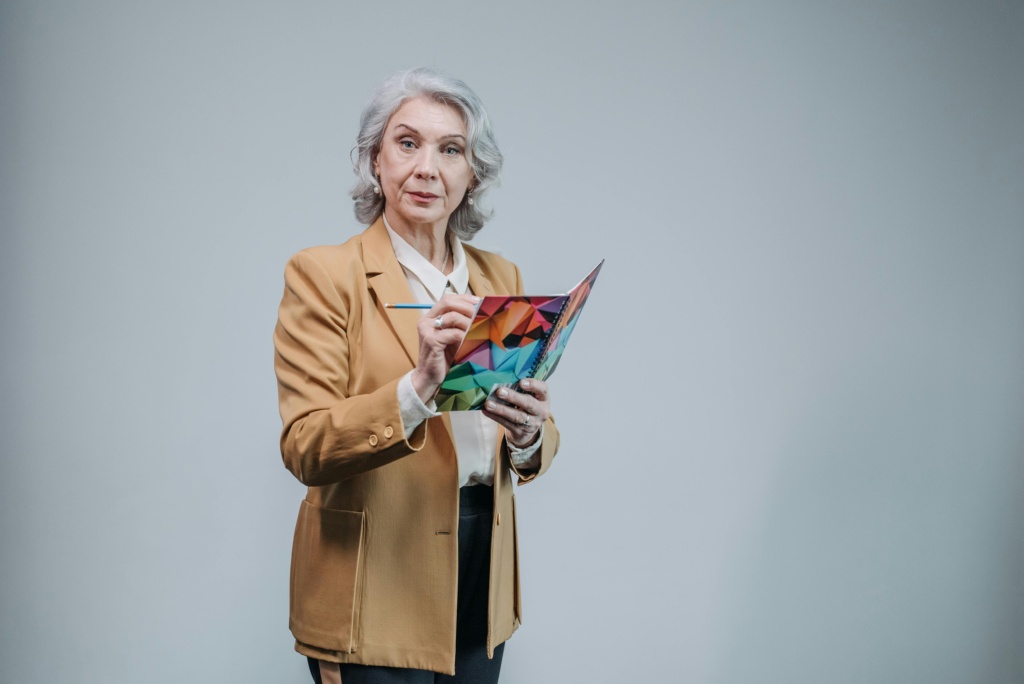
The solo-ager movement is changing how we think about independence. For decades, independence meant not needing anyone. But that definition doesn’t hold up well in real life. A healthier version of independence might look more like this:
- Planning ahead for future needs
- Building intentional networks of support
- Staying socially engaged
- Being open to both giving and receiving help
In other words, independence doesn’t mean isolation. It means being intentional about connection. This conversation is happening all across the country, but it’s even more relevant in smaller communities like ours where many people retire here without extended family nearby. Programs that foster connection through volunteering, social gatherings, mentorship opportunities, and neighbor-to-neighbor support create the kind of informal networks that solo agers rely on. These are certainly the focus of our programs, those currently in place and in development.
In many ways, the solo-ager movement is simply highlighting something we already know. Communities that work together with intention make aging easier for everyone. It’s the backbone of the AARP Livable Communities framework, the approach that informs everything we do at Do Good Door County. Together, we can make Door County a place where growing older never means growing more alone.