

by Cynthia Germain
We all understand the instinct to keep people safe, especially as they age. Safety feels responsible and caring. But there’s an important question we don’t always stop to ask: safe from what, exactly?
There is a concept gaining traction in aging and healthcare circles called Dignity of Risk, and it challenges us to look more closely at how we support older adults, particularly those living with frailty, disability, or cognitive change.
At its core, Dignity of Risk recognizes that a meaningful life includes choice, autonomy, and yes, some level of risk. It affirms that older adults have the right to make decisions about their own lives, even when those decisions don’t eliminate possible hazards.
In the U.S., we actually see pieces of this philosophy woven throughout many programs and initiatives. Age-Friendly Health Systems encourage care teams to focus on what matters to each person. Community-based wellness programs support independence and engagement. Person-centered care models emphasize choice, voice, and respect. All of these are related. They point in the same direction. What’s different and notable about the Nova Scotia Health Dignity of Risk initiative is that it directly names the tension between safety and dignity and then addresses it head-on.
I’ve struggled with this, both as a healthcare administrator working alongside families, and as a caregiver myself. I’ve sat in meetings where everyone wanted the safest option, even when it meant taking something deeply meaningful away. And I’ve been the family member lying awake at night, replaying decisions, wondering whether allowing more independence also meant taking on more risk than felt comfortable.
What I’ve learned, on both sides, is that our fear often shows up before the older adult’s voice does. And unless we’re intentional, safety can quietly become the only idea in the room.
Frailty is often misunderstood. It doesn’t mean someone has lost their reasoning or their values. It means they may have less physical or cognitive reserve, and therefore may experience consequences more quickly. Too often, frailty triggers a cascade of “no’s”: don’t walk outside alone; don’t cook anymore; don’t climb the stairs; don’t stay at home. I’ve seen how quickly those “no’s” add up and how shrinking someone’s world, even gradually, can affect confidence, mood, and identity.
Dignity of Risk asks us to pause and reframe: What matters most to this person and how can we support that safely, rather than eliminating it entirely? This concept also requires honesty about whose fear is driving decisions. Families carry love, responsibility, and fear all at once. Providers carry duty and liability. I’ve felt the weight of both, wanting to protect someone while also knowing that too much protection can take something irreplaceable away.
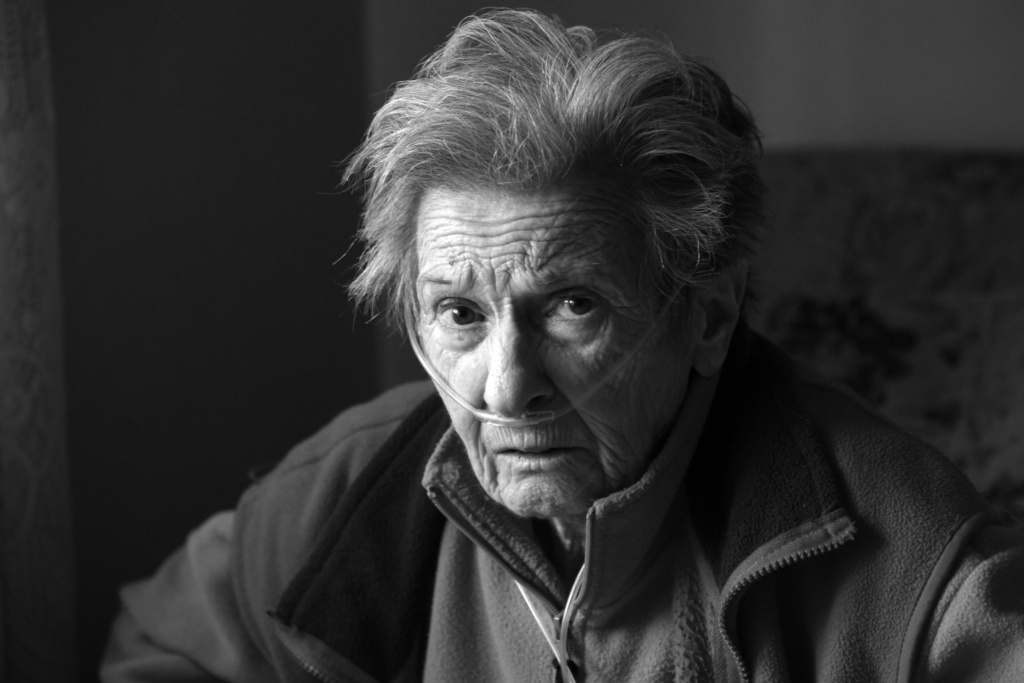
Ageism can sneak in here too…the assumption that being older automatically means being incapable of making informed choices. Dignity of Risk pushes back on that and reminds us that capacity is not all-or-nothing, and that support does not have to mean control. This isn’t about being reckless or ignoring real hazards. It’s about balance. A dignity-centered approach:
- Starts with what matters to the person
- Invites conversation, not directives
- Weighs risks alongside benefits
- Looks for ways to reduce harm without removing meaning
- Respects informed choice, even when it makes us uncomfortable
Sometimes that means allowing someone to take a walk, continue cooking, or live alone, with proper supports in place, because living fully matters as much as living safely.
One of the strengths of the Nova Scotia initiative is that it gives language to something many of us feel instinctively but struggle to defend in our systems that are risk-averse by design. By naming Dignity of Risk, it becomes something we can talk about openly and plan for intentionally. And that matters, especially as communities like ours continue to grapple with how to support aging well, aging at home, and aging with dignity. Because a life without all risk may be safer on paper, but it may not feel like much of a life at all.
Dignity of Risk! What a great concept – and very well presented. It picks up and expands on the “resident centered” care that has had considerable impact on long-term care programs across the country, modeled, somewhat, on the Scandinavian longterm care concept that strives to keep older people in their own homes – or in the most home-like environment possible. Dignity of Risk is a scary concept to consider for your own parent but it offers a certain liberation and empowerment – for all concerned.
Your new program in Door County will be a wonderful enablement for all of us aging in Door County. I’ll be calling you one day……
Long-term care ombudsman, retired, and wanting to “age in place”.